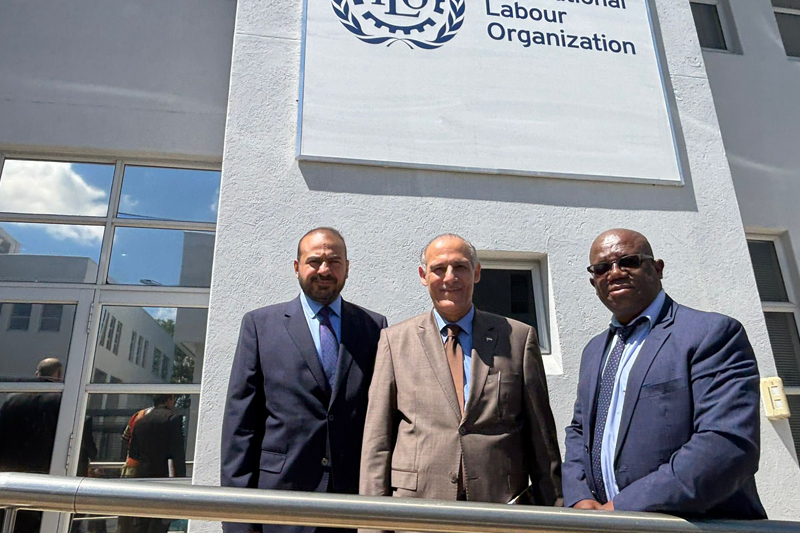
Iraqi Delegation Visits Gauteng Integrated Housing Development
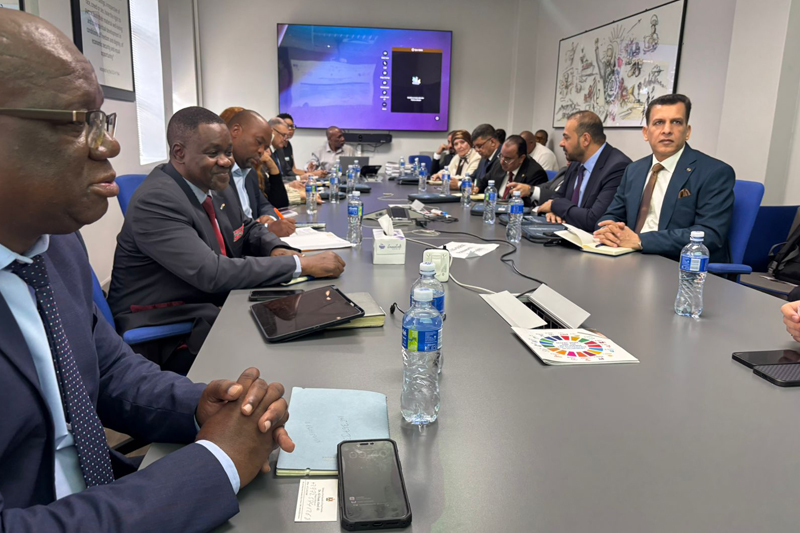
As part of their study tour in South Africa, the Iraqi delegation visited a large-scale integrated housing development implemented by the Gauteng Department of Human Settlements in Olifantsfontein, within the Ekurhuleni Metropolitan Municipality. The visit formed part of engagements aimed at sharing best practices on integrated human settlements, job creation through the Expanded Public Works Programme (EPWP), and skills development within the built environment. The housing project has delivered 7,843 residential units to date, with an additional 4,507 units currently under construction. Upon completion, the development is expected to yield approximately 12,350 mixed-housing units.
These include fully subsidized residential units (commonly referred to as RDP or BNG houses), bonded houses, FLISP units, and multi-storey sectional title units. This diverse housing mix caters to different income groups and promotes inclusive, integrated community development. The project was handed over for construction on 01 June 2025 and is anticipated to be completed by 01 March 2026. The total contract value amounts to R164,304,602 (VAT inclusive). To date, 3,232 fully subsidised houses, 2,541 bonded houses, and 92 sectional title units have been successfully allocated to beneficiaries, directly contributing to efforts to reduce South Africa’s housing backlog Beyond housing delivery, the project has made a significant socio-economic impact on surrounding communities. A total of 33 local Small, Medium and Micro Enterprises (SMMEs) were subcontracted during implementation, resulting in the creation of over 240 EPWP work opportunities.
The Department of Human Settlements further prioritised community consultation, engaging local community development organisations and business forums to ensure inclusive participation in labour recruitment and SMME involvement. The development places strong emphasis on job creation, skills development, and socio-economic upliftment. In total, 5,894 local labour opportunities were created through the project. Participation statistics reflect inclusive development, with women accounting for 33% of beneficiaries and youth representing 85%, highlighting the project’s contribution to youth empowerment.
A key component of the initiative is an accredited construction training programme aligned with the National Certificate: Building and Civil Construction (SAQA ID: 65409) and accredited by the Construction Education and Training Authority (CETA). The programme equips participants with the skills, knowledge, and practical experience required to perform construction-related tasks at NQF Level 3, enhancing employability and supporting long-term career development in the construction sector. The 12-month CETA-accredited training programme commenced on 13 January 2025 and is scheduled for completion on 13 January 2026. A total of 32 participants were enrolled, comprising 21 women and 11 men. Learners were required to complete exit requirements for NQF Level 2 in Bricklaying and Plastering, with Recognition of Prior Learning (RPL) applied to acknowledge existing skills and competencies.
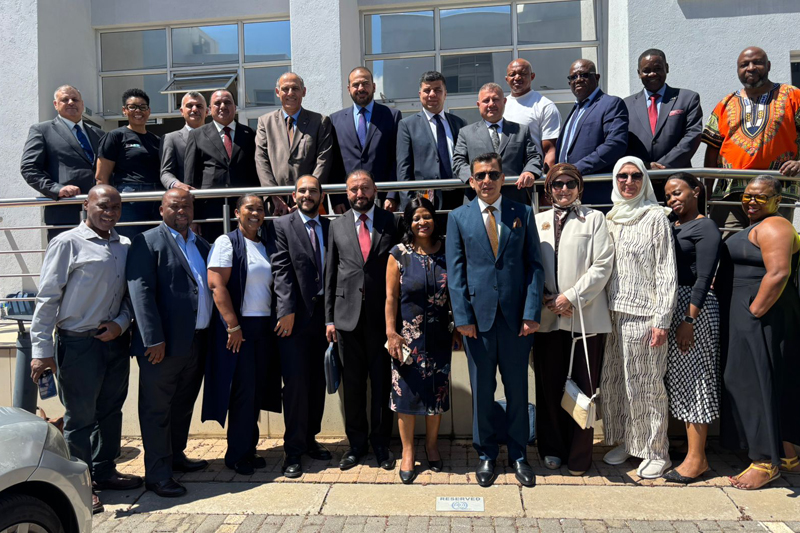
Overall, the housing development demonstrates a successful model of integrated infrastructure delivery, combining housing provision with skills development, employment creation, and local economic empowerment. The project provided valuable insights to the Iraqi delegation on how housing programmes can be leveraged as catalysts for sustainable development, community upliftment, and skills transfer.